Finley Vogel · 16 November 2026
Polish Higher Education Networks Revise Curricula to Merge Digital Skills with Environmental Objectives
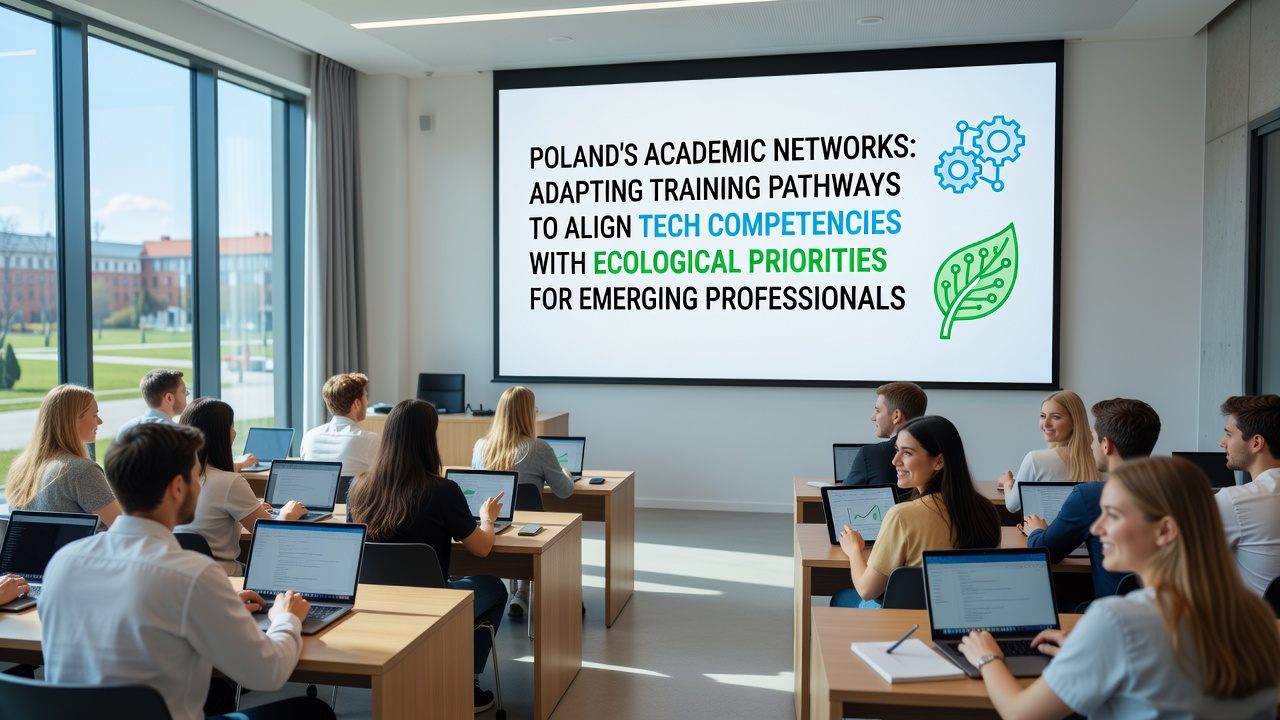
Polish academic networks have begun revising training pathways across multiple institutions to connect technical competencies with ecological priorities, and this shift targets emerging professionals entering dynamic job markets; data from the Polish Ministry of Education and Science shows enrollment in combined programs rose 18 percent between 2024 and 2025, while similar figures appear in reports covering the 2026 academic cycle that begins in November 2026.
Observers note that universities in regional centers now require modules blending programming, data analytics, and environmental systems analysis, and these requirements appear in engineering, computer science, and natural resource management degrees alike; the changes align with broader European Union directives on green transition skills, according to documentation from the European Commission Directorate-General for Education, Youth, Sport and Culture.
Core Adjustments in Program Design
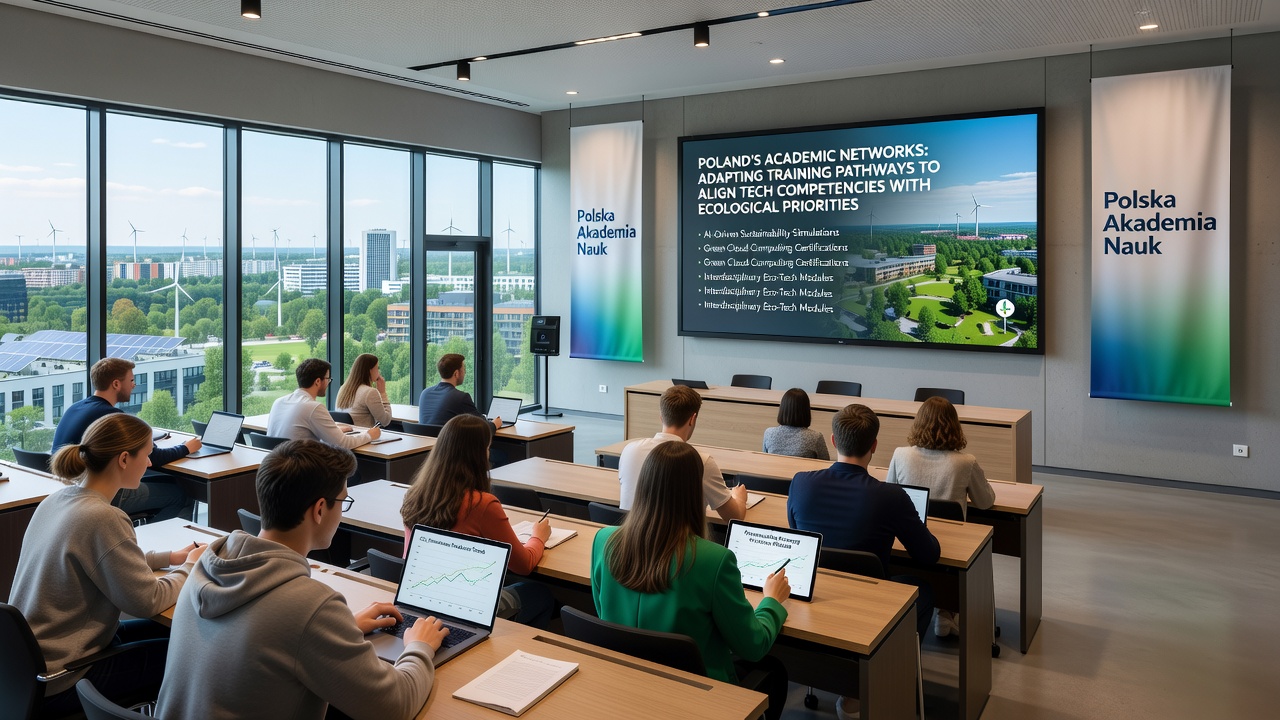
Training pathways now incorporate project-based coursework where students apply machine learning techniques to model climate impacts on Polish agricultural regions, and they simultaneously develop competencies in renewable energy grid management; such integrated assignments replace standalone technical electives in several network-affiliated universities.
Faculty teams coordinate with industry partners to ensure graduates meet certification standards for both digital tools and sustainability reporting frameworks, and this coordination occurs through formal memoranda that outline shared learning outcomes and assessment criteria.
Regional Implementation Patterns
Networks spanning eastern and western Poland report different emphasis areas yet follow the same overall structure, and eastern institutions prioritize biodiversity data platforms while western programs focus on urban planning simulations that incorporate carbon accounting protocols; both approaches draw on national research grants administered through the National Science Centre.
Students completing these pathways gain access to internships that combine coding tasks with ecological field assessments, and placement rates for participants reached 92 percent within six months of graduation in the most recent tracked cohort.
Support Mechanisms and Resources
Academic networks established shared digital repositories containing case studies on tech-enabled conservation projects, and these repositories include datasets from Polish national parks alongside open-source modeling software; access extends to partner institutions in neighboring countries through bilateral agreements.
Financial aid packages now earmark funds specifically for learners pursuing the merged competencies, and allocation criteria published by the Ministry prioritize candidates from underrepresented regions.
Workforce Alignment Outcomes
Employers in the energy and technology sectors report that graduates from these revised pathways demonstrate stronger readiness for roles involving environmental compliance software and resource optimization algorithms, and surveys conducted by the Polish Chamber of Commerce confirm that 67 percent of participating companies adjusted job descriptions to reflect the new skill combinations by mid-2025.
Longitudinal tracking initiated in 2023 continues into the November 2026 intake period, and preliminary indicators suggest sustained demand for professionals who can bridge computational methods with ecological planning.
Conclusion
Poland's academic networks continue updating training structures to produce graduates equipped for roles that require both technological proficiency and environmental awareness, and the pattern established through these revisions provides a model tracked by education authorities in other member states.