Finley Vogel · 7 September 2026
University Partnerships Expand Scholarship Access Across Poland's Changing Higher Education Scene
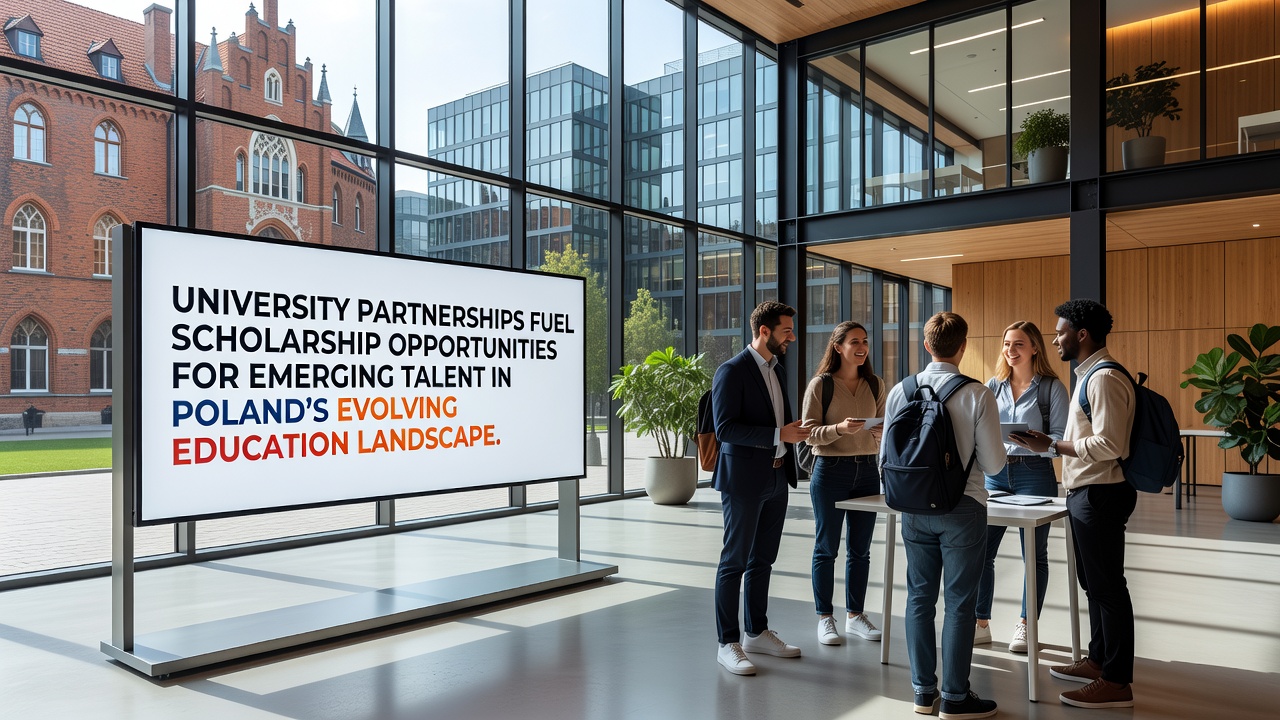
Poland's higher education system continues to shift as universities form new alliances with international institutions, industry groups, and government agencies, and these connections directly increase scholarship funding for students entering technical fields, humanities programs, and scientific research tracks. Figures from recent academic years show enrollment growth in partnered programs, while funding pools expand through joint grants that cover tuition, living expenses, and research stipends for emerging talent from diverse regions.
Current Partnerships Driving Funding Growth
Multiple Polish universities maintain active agreements with counterparts in Germany, France, and the Netherlands, and these arrangements create dedicated scholarship streams that support undergraduate and graduate candidates who demonstrate strong academic records alongside financial need. Data from the European Commission indicates that cross-border education initiatives in Central Europe allocated additional resources during 2025, with several Polish institutions receiving targeted support for talent development in engineering and digital skills areas. Observers note that such collaborations often include mentorship components, where faculty from partner schools guide selected students through project-based learning that aligns with labor market demands.
Industry involvement adds another layer, as companies in automotive manufacturing and information technology sectors contribute to scholarship endowments when universities agree to incorporate specific curriculum modules. One case involved a technical university in Wrocław establishing a program with a major European automaker, and this effort resulted in annual awards that cover full costs for dozens of students starting in the fall semester.
Effects on Student Access and Program Development
Students from smaller cities and rural areas gain clearer pathways into higher education when partnerships prioritize geographic diversity in award distribution. Research indicates that scholarship recipients show higher retention rates in STEM disciplines compared to non-recipients, partly because funding reduces the need for part-time work that can interrupt studies. Universities report that these alliances also lead to updated course offerings, since partner feedback highlights skills gaps in areas like sustainable energy and data analytics.
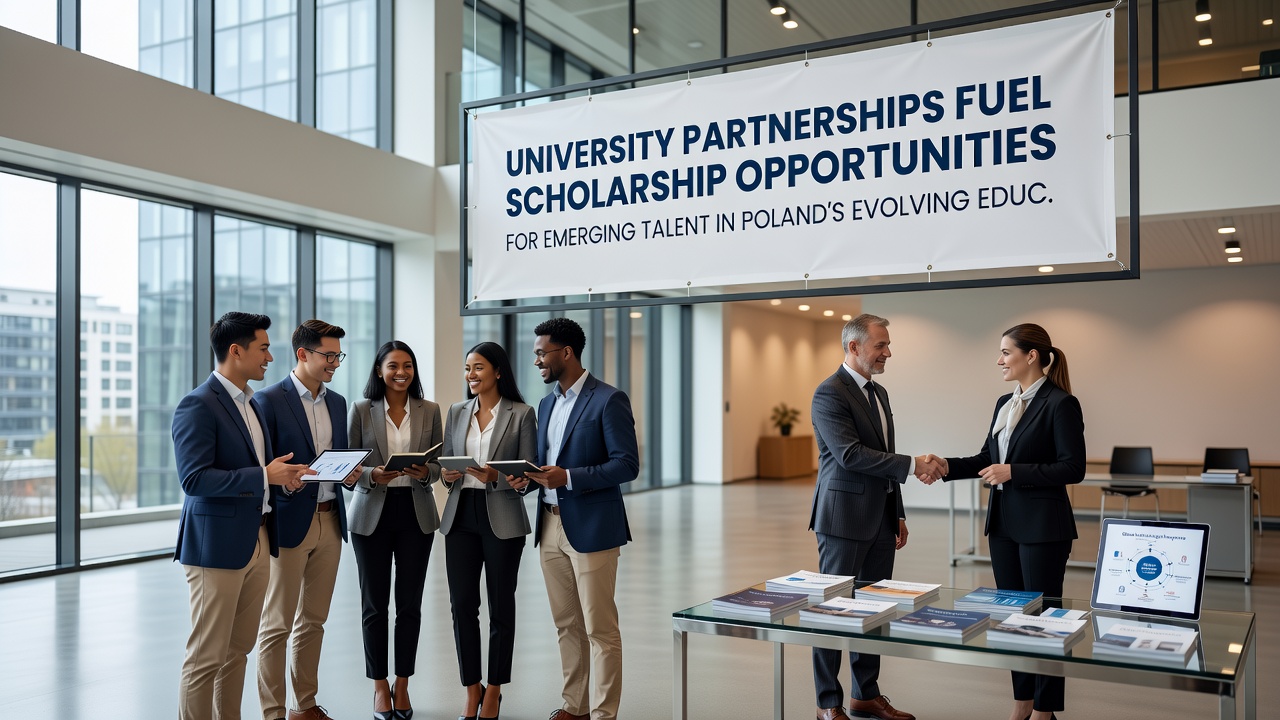
September 2026 marks the scheduled rollout of expanded exchange components within several ongoing partnerships, and program administrators expect increased mobility opportunities that allow Polish students to complete portions of their degrees abroad while maintaining domestic funding support. Those who have tracked similar expansions in prior years note measurable rises in application volumes once new cycles open.
Broader Context and Supporting Data
According to reports compiled by the OECD education directorate, Poland has seen steady increases in tertiary participation rates over the past decade, and partnership-driven scholarships account for a growing share of financial aid packages. Another source, the European University Association, tracks how institutional networks influence resource allocation, with member institutions in newer EU states often benefiting from capacity-building grants tied to talent pipelines. These patterns appear consistent across multiple regions, where joint programs help offset domestic budget constraints while attracting external investment.
Additional alliances link Polish medical schools with research centers in Canada and Australia, creating scholarship tracks focused on public health and biotechnology. Participants gain access to specialized labs and datasets that local facilities alone might not provide, and completion rates for these tracks remain high because funding covers travel and equipment needs directly.
Looking Ahead to 2026 and Beyond
Preparations for September 2026 include new digital platforms that streamline scholarship applications across partner networks, and preliminary data suggest these tools will reduce administrative delays that previously affected award timing. Universities continue to refine selection criteria to emphasize both merit and potential impact, ensuring that funded projects address regional challenges such as climate adaptation and digital inclusion. Observers point to sustained interest from additional international partners as evidence that Poland's evolving landscape remains attractive for collaborative investment.
Conclusion
University partnerships have become central to scholarship expansion in Poland, delivering measurable support for students while fostering program innovation that aligns with global standards. Continued coordination among academic, industry, and governmental entities will shape how these opportunities develop in the coming years, particularly around the 2026 milestones already in planning.